
Introduction
Camping is a great way to enjoy nature, spend time with family, and explore beautiful outdoor places. But rainy weather can quickly make a camping trip uncomfortable. A leaking tent, wet sleeping bag, and muddy floor can turn a fun adventure into a difficult experience. That is why choosing a good waterproof tent is very important.
So, what is a good waterproof tent? A good waterproof tent is designed to keep rainwater outside and protect campers from wet weather. It should have a strong rainfly, sealed seams, a waterproof floor, and good ventilation. These features help keep your sleeping area dry and comfortable during rainy nights.
However, not all tents offer the same level of rain protection. Some tents are suitable for light rain, while others can handle long periods of heavy rain. You should check the waterproof rating, tent material, floor design, and rainfly coverage before buying one.
In this guide, we will explain what makes a good waterproof tent and explore popular camping tent options for different needs. We will also share useful buying tips, important features, and answers to common questions.
Whether you are planning a family camping trip, a weekend adventure, or a backpacking journey, this guide will help you choose a tent that keeps you comfortable when the weather changes.
What Is a Good Waterproof Tent?
A good waterproof tent is a camping shelter that protects you from rain, moisture, and water coming from the ground. It uses specially coated fabric and strong construction to reduce the chance of water entering the tent.
A waterproof tent usually has three important parts:
-
Rainfly: The outer cover that protects the tent from rain.
-
Sealed seams: Specially treated stitching areas that help stop water from entering through small holes.
-
Waterproof floor: A strong bottom layer that helps prevent ground moisture from reaching your sleeping area.
A good tent should also have enough ventilation. Without proper airflow, moisture from breathing and wet clothes can collect inside the tent. This is called condensation.
Remember, no tent stays waterproof forever without proper care. Its waterproof coating and seam protection can wear down over time.
Top Rainproof Tents to Consider
Choosing the right waterproof tent depends on your budget, camping style, group size, and weather conditions. Below are five popular models worth comparing.
REI Co-op Base Camp 4 Tent
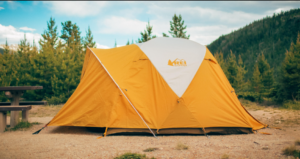
The REI Co-op Base Camp 4 is a camping tent designed for people who need a comfortable shelter for outdoor trips. Its dome-style structure and weather-focused design make it worth considering for campers who expect changing weather.
It offers space for a small group and has a design suited to car camping. The tent is a good option to investigate if you want a balance of comfort, space, and weather protection.
Why consider it:
-
Spacious interior for camping.
-
Dome design with a supportive pole structure.
-
Designed for outdoor weather conditions.
-
Suitable for car camping and family trips.
Best for: Small families and weekend campers.
The North Face Wawona 6
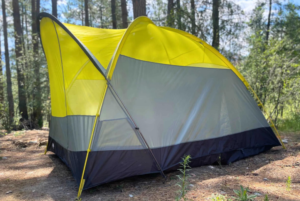
The North Face Wawona 6 is a popular family camping tent with a large interior and useful storage space. It is designed for campers who want more room during outdoor adventures.
Its spacious design makes it comfortable for families, but you should check its rainfly coverage and weather protection before choosing it for heavy rain.
Why consider it:
-
Large sleeping area.
-
Extra vestibule space for camping gear.
-
Comfortable design for family camping.
-
Useful for longer car-camping trips.
Best for: Families and campers who need extra space.
Coleman Sundome 4-Person Tent
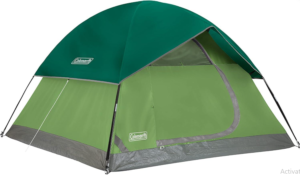
The Coleman Sundome is a well-known option for casual camping. It offers a simple dome design that is easy for many beginners to understand and use.
Its WeatherTec system includes features such as welded floor corners and inverted seams to help reduce water entry. However, always check the exact model specifications and remember that heavy storms can challenge basic camping tents.
Why consider it:
-
Beginner-friendly setup.
-
Practical dome shape.
-
WeatherTec floor and seam features.
-
Suitable for casual camping trips.
Best for: Beginners and budget-conscious campers.
Marmot Tungsten 4-Person Tent
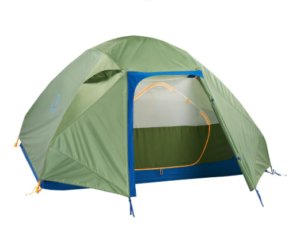
The Marmot Tungsten 4 is another option for campers who want a balance of sleeping space and outdoor performance. Its design is suitable for camping trips where comfort and reliable shelter are important.
Before buying, compare the current model’s rainfly, floor rating, seam construction, and packed weight. These details will help you decide whether it matches your weather conditions.
Why consider it:
-
Room for a small camping group.
-
Practical tent layout.
-
Designed for outdoor adventures.
-
Worth comparing for three-season camping.
Best for: Small groups and weekend camping.
MSR Hubba Hubba 2-Person Tent
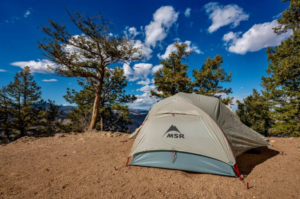
The MSR Hubba Hubba is a popular backpacking tent for campers who want a lightweight shelter. It is designed for people who carry their camping equipment while hiking.
Its compact design makes it useful for backpacking trips. When comparing versions, check the exact waterproof fabric specifications and seam construction because product details can change between models.
Why consider it:
-
Lightweight backpacking design.
-
Compact when packed.
-
Suitable for two campers.
-
Designed for outdoor travel.
Best for: Backpackers and hiking enthusiasts.
What Makes a Tent Truly Waterproof?
A tent can look strong and durable but still allow water inside if it does not have the right construction. Before purchasing, understand these important waterproofing features.
1. Waterproof Rainfly
The rainfly is one of the most important parts of a waterproof tent. It covers the main tent body and helps prevent rain from reaching the sleeping area.
A full-coverage rainfly usually offers better protection than a small rain cover. Look for a design that covers the sides properly and directs rainwater away from the doors and windows.
2. Sealed and Taped Seams
Tent fabric is stitched together using small holes created by needles. During heavy rain, water may enter through these stitching areas.
Sealed or taped seams help prevent this problem. Always check whether the manufacturer provides factory-sealed seams or recommends applying a seam sealer.
3. Waterproof Tent Floor
The tent floor is another important feature. When rain falls, water can collect on the ground and enter through the bottom of a poorly designed tent.
A bathtub-style floor is a useful design because its edges rise several inches above the ground. This helps protect the sleeping area from water running across the campsite.
4. Hydrostatic Head Rating
Hydrostatic head (HH) measures how much water pressure tent fabric can withstand before water passes through it. The rating is usually shown in millimeters (mm).
Here is a simple guide:
| Waterproof Rating | General Meaning |
|---|---|
| 1,000mm | Basic water resistance |
| 1,500mm | Suitable for many light-rain conditions |
| 2,000mm | Better protection for regular rain |
| 3,000mm | Higher water-pressure resistance |
| 5,000mm | Stronger resistance for demanding wet conditions |
5. Good Ventilation
A waterproof tent also needs good ventilation. When you sleep inside a closed tent, your breathing and body heat create moisture.
This moisture can collect on the tent walls and make your sleeping area feel wet.
Look for mesh windows, adjustable vents, and openings that allow fresh air to move through the tent while keeping rain outside.
What Makes a Tent Truly Waterproof?
A tent can look strong and durable but still allow water inside if it does not have the right construction. Before purchasing, understand these important waterproofing features.
1. Waterproof Rainfly
The rainfly is one of the most important parts of a waterproof tent. It covers the main tent body and helps prevent rain from reaching the sleeping area.
A full-coverage rainfly usually offers better protection than a small rain cover. Look for a design that covers the sides properly and directs rainwater away from the doors and windows.
2. Sealed and Taped Seams
Tent fabric is stitched together using small holes created by needles. During heavy rain, water may enter through these stitching areas.
Sealed or taped seams help prevent this problem. Always check whether the manufacturer provides factory-sealed seams or recommends applying a seam sealer.
3. Waterproof Tent Floor
The tent floor is another important feature. When rain falls, water can collect on the ground and enter through the bottom of a poorly designed tent.
A bathtub-style floor is a useful design because its edges rise several inches above the ground. This helps protect the sleeping area from water running across the campsite.
4. Hydrostatic Head Rating
Hydrostatic head (HH) measures how much water pressure tent fabric can withstand before water passes through it. The rating is usually shown in millimeters (mm).
Here is a simple guide:
| Waterproof Rating | General Meaning |
|---|---|
| 1,000mm | Basic water resistance |
| 1,500mm | Suitable for many light-rain conditions |
| 2,000mm | Better protection for regular rain |
| 3,000mm | Higher water-pressure resistance |
| 5,000mm | Stronger resistance for demanding wet conditions |
These are general comparison guidelines, not guaranteed weather-performance categories. A higher number does not automatically mean a better tent. Seam quality, floor design, fabric condition, and construction also matter.
5. Good Ventilation
A waterproof tent also needs good ventilation. When you sleep inside a closed tent, your breathing and body heat create moisture.
This moisture can collect on the tent walls and make your sleeping area feel wet.
Look for mesh windows, adjustable vents, and openings that allow fresh air to move through the tent while keeping rain outside.
Important Tips for Camping in Heavy Rain
Even a good waterproof tent needs proper setup and maintenance. Follow these simple tips to stay comfortable during rainy camping trips.
-
Choose higher ground: Avoid setting up your tent in low areas where rainwater can collect.
-
Use a groundsheet: A suitable footprint can help protect the tent floor from dirt, sharp objects, and wear. Make sure it does not extend beyond the tent floor and collect rainwater.
-
Close the rainfly properly: Make sure the rainfly is correctly attached and covers the important areas.
-
Check all seams: Inspect seams and stitching before leaving for your trip.
-
Use tent stakes: Secure the tent properly so wind does not move it.
-
Keep wet clothes outside: Store wet shoes and clothes in a covered vestibule.
-
Improve ventilation: Open suitable vents to reduce condensation.
-
Dry your tent after camping: Never store a wet tent for a long time because moisture can cause mold and damage.
Frequently Asked Questions (FAQs)
1. What is a good waterproof tent?
A good waterproof tent has a quality rainfly, sealed seams, a waterproof floor, and proper ventilation. These features help protect campers from rain and moisture.
2. What waterproof rating should a camping tent have?
For general camping, consider a rainfly around 1,500mm–2,000mm or higher, with a suitably rated floor. For frequent heavy rain, higher ratings and good seam construction are worth considering.
3. Can a waterproof tent handle heavy rain?
Yes, a well-designed waterproof tent can handle many rainy conditions. However, performance depends on the waterproof rating, rainfly coverage, sealed seams, floor construction, wind, and proper setup.
4. Are expensive waterproof tents always better?
No. Some affordable tents provide good protection for normal camping. Compare the materials, waterproof features, durability, and customer feedback instead of choosing only by price.
5. What is the difference between waterproof and water-resistant tents?
A waterproof tent is designed to prevent water from passing through its fabric under specified test conditions. A water-resistant tent can repel some moisture but may not provide enough protection during prolonged or heavy rain.
6. Do I need a groundsheet under my waterproof tent?
A groundsheet or footprint is useful because it protects the tent floor from sharp objects, dirt, and abrasion. Use the correct size to avoid collecting rainwater underneath the tent.
7. How do I stop condensation inside my tent?
Keep ventilation openings clear, avoid blocking mesh panels, and store wet equipment outside the sleeping area. These steps help reduce moisture inside the tent.
8. How long does tent waterproofing last?
It depends on the material, coating, storage, sunlight exposure, and frequency of use. Clean and dry your tent properly, inspect the seams, and reapply suitable waterproofing products when needed.
9. Is a dome tent good for rainy weather?
Yes. Many dome tents provide good rain protection when they have a suitable rainfly, sealed seams, and a waterproof floor. Their curved design can also help rainwater run off the outer fabric.
10. Can I use a waterproof tent in winter?
Some waterproof tents are suitable for winter camping, but not every waterproof tent is designed for snow, strong winds, or freezing temperatures. Choose a suitable four-season tent for demanding winter conditions.
Conclusion
Choosing a good waterproof tent is important for enjoying a comfortable camping experience. A quality tent should protect you from rain, keep your sleeping area dry, and provide enough ventilation to reduce condensation.
Before buying, check the waterproof rating, rainfly coverage, sealed seams, floor design, tent size, and frame quality. These features can make a big difference when the weather changes during your trip.
If you are a beginner, the Coleman Sundome is worth considering for casual camping. Families can compare spacious options like the REI Co-op Base Camp 4 and The North Face Wawona 6. Backpackers may prefer a lightweight option like the MSR Hubba Hubba.
Remember that even the best waterproof tent needs proper setup and care. Choose the right tent for your camping needs, practice setting it up, and always dry it before storage.
With the right waterproof tent, you can enjoy outdoor adventures with greater comfort and confidence, even when it rains.